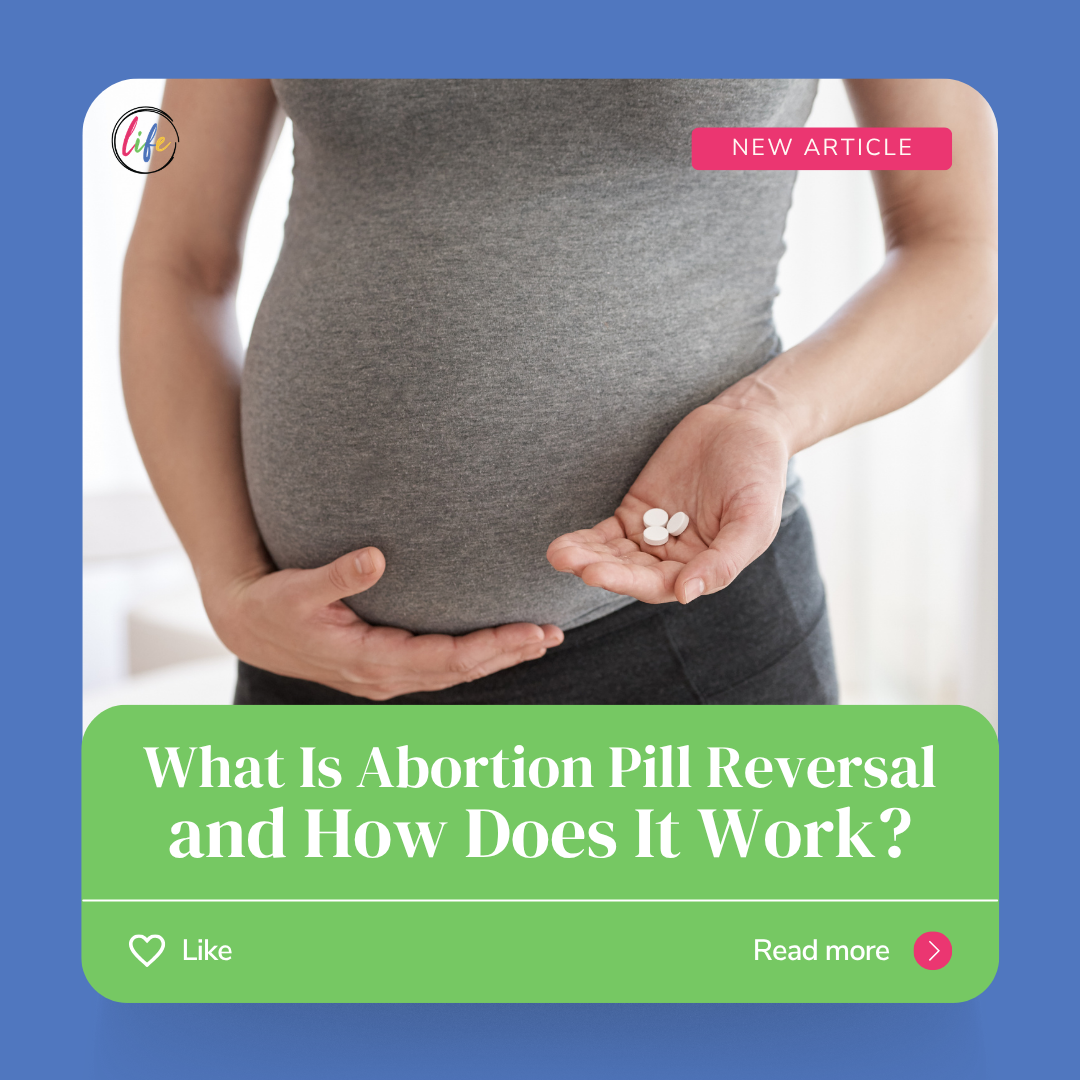
Abortion Pill Reversal is a protocol that offers a second chance to continue a pregnancy after the first abortion pill has been taken. In moments that can feel rushed or overwhelming, access to timely and accurate information matters. Understanding how Abortion Pill Reversal works can help women make informed decisions that leave room for life.
What Is Abortion Pill Reversal?
The abortion pill process typically involves two drugs: mifepristone, which blocks progesterone, and misoprostol, which induces contractions to expel the fetus and empty the uterus.
Progesterone is essential for life. It causes the uterine lining to thicken for the embryo and nurtures the fetus as it grows. Without progesterone, the fetus dies.
Abortion pill reversal focuses on restoring progesterone levels before the second drug is taken. Progesterone may be administered in different forms depending on the situation, following medical guidance developed for this protocol.
This approach builds on long-standing medical practice. Progesterone has been used to treat miscarriage risk for over 60 years, since low progesterone is a common factor in miscarriage.
Why Timing Matters
The effectiveness of abortion pill reversal depends heavily on how quickly action is taken. Because mifepristone begins working soon after ingestion, starting progesterone as early as possible is critical.
Clinical guidance on abortion pill reversal indicates that intervention within the first 24–72 hours offers the best opportunity for the pregnancy to continue. Once the second abortion drug is taken, the process cannot be reversed.
This limited timeframe makes awareness critical, as delays can remove the possibility of pursuing this option.
What Does the Research Say?
Research on abortion pill reversal includes observational studies that examine outcomes after progesterone treatment. A study published in the National Library of Medicine journal reported a success rate of 64-68%. Also, there was no apparent increase in the risk of birth defects.
While results vary and research is ongoing, these findings align with the established role of progesterone in supporting early pregnancy and suggest that intervention can help sustain the pregnancy and life of the fetus.
A Second Chance and Ongoing Support
Abortion pill reversal offers a time-sensitive opportunity after the first abortion pill has been taken. While outcomes are not guaranteed, it provides something many women are not told they have: the chance to pause, reconsider, and pursue life.
For women facing pressure, uncertainty, or regret at any stage, support exists beyond a single decision. Resources like the Abortion Pill Rescue hotline at 877-558-0333 connect women with providers who can respond quickly. Local pregnancy centers offer ongoing care, counseling, and material support throughout pregnancy and beyond.
No one should have to navigate a crisis pregnancy alone. Access to compassionate care, real options, and life-affirming support can make a meaningful difference—both in urgent moments and in the path forward.
Learn more about the various stages of fetal development (conception, first, second, and third trimester) and don’t forget to follow us on social media (Facebook, Instagram, and TikTok).