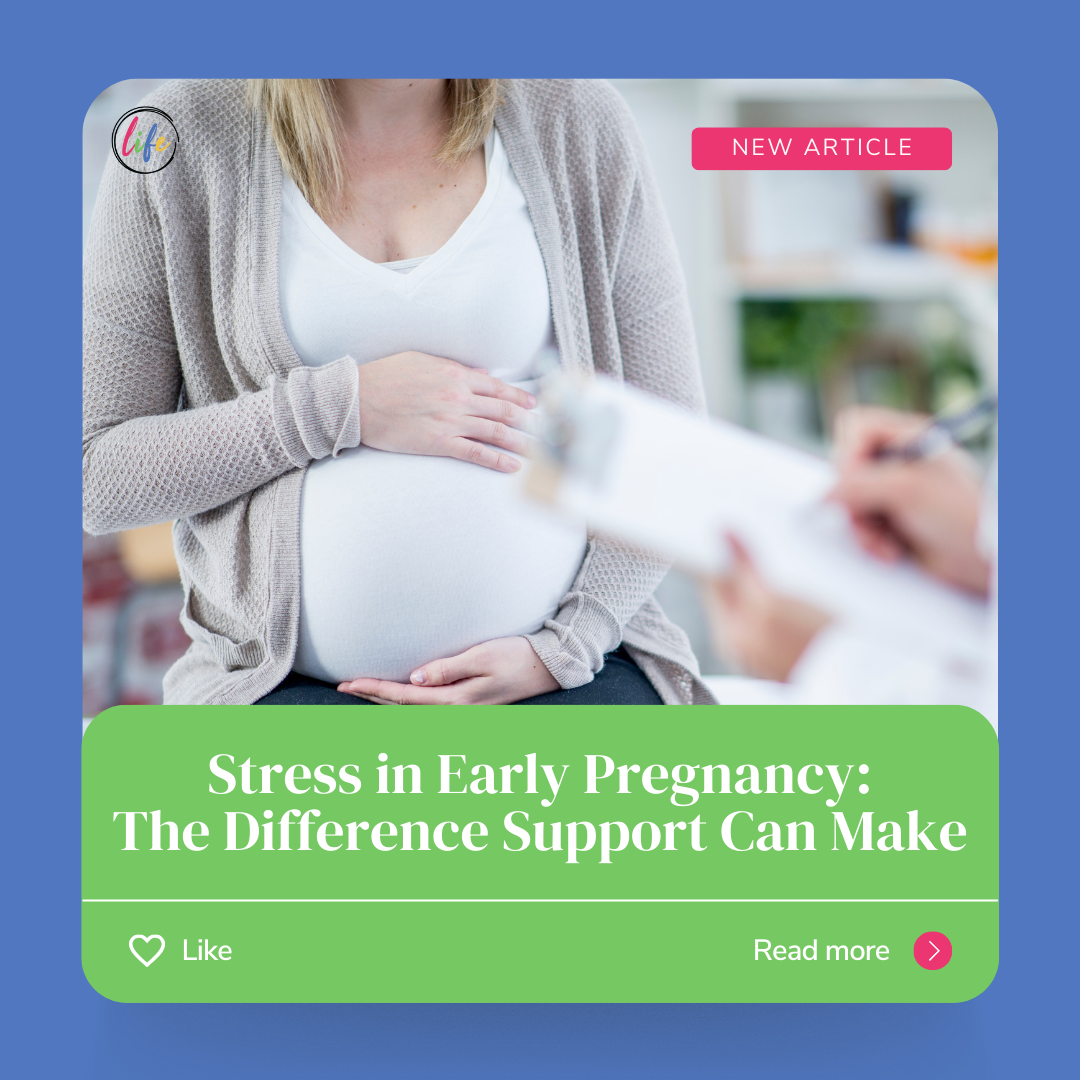
Stress is a common part of life, but stress in early pregnancy carries particular significance. During the earliest weeks of pregnancy, a woman’s body is experiencing rapid physical and emotional changes while her baby’s development is already underway. Research shows that stress during this time can affect both a mother’s well-being and her baby’s earliest development, highlighting the importance of consistent support early in pregnancy. Addressing stress early can help create a healthier experience for both mother and baby.
Stress in Early Pregnancy Affects Two Lives
Stress in early pregnancy can stem from physical challenges like morning sickness, uncertainty, lack of support, or other triggers. Unexpected pregnancies, financial instability, relationship pressure, health concerns, or influence from others to make quick decisions can feel overwhelming, especially during the first trimester, when physical and emotional changes are already demanding.
When stress occurs, the body activates biological responses involving hormones such as cortisol. Research published by the National Institutes of Health (NIH) shows that prenatal stress disrupts normal maternal stress-regulating systems, increasing stress-related hormone activity. These changes have been linked to preterm birth, low birth weight, and altered early development. Pregnancy is a shared biological reality in which the environment supporting the mother and the development of her child are deeply connected.
Practical Ways to Reduce Stress
Fortunately, there are simple, consistent practices that can help reduce stress during pregnancy. Balanced nutrition, gentle movement such as walking or prenatal yoga, adequate sleep, and staying hydrated all support physical and emotional well-being. Stress-reducing practices like deep breathing, prayer, meditation, listening to music, or engaging in relaxing hobbies may also be helpful.
Equally important is social and emotional support. Sharing concerns with a partner, trusted friends, or a healthcare provider can help ease feelings of isolation. Support groups may also offer reassurance and connection, giving women the chance to share experiences with others facing similar challenges. Reaching out for support is an important step in caring for both mother and baby.
Pregnancy can be an opportunity to establish healthy habits that continue to support well-being long after birth.
The Vital Role of Dads
Fathers play a vital role in reducing stress and supporting both women and babies. “When fathers are actively involved during and after pregnancy, it can significantly improve a child’s well-being,” says Lisa Vagi, CNM, a certified midwife at University Hospitals. Babies with involved fathers often experience stronger physical and emotional health, positive social development, and improved outcomes later in life.
Support from dads can take many forms, including emotional reassurance and practical help. Being present, helping create a stable home environment, sharing responsibilities such as meals and household tasks, and attending prenatal visits can all help reduce stress during pregnancy. When fathers are involved, mothers feel support and babies benefit from a stronger start.
Why Life-Affirming Support Matters
When reassurance, practical help, and compassionate care are available, stress during pregnancy can be reduced, allowing women to focus on their own well-being and their baby. If you need help with your pregnancy, support is available. Visit OptionLine.org, American Pregnancy Association, Her Plan, and Find Help to connect with resources and care.
Pregnancy is more than a biological process – it is a shared journey. With consistent support and care, mothers and babies can thrive together.
Learn more about the various stages of fetal development (conception, first, second, and third trimester) and don’t forget to follow us on social media (Facebook, Instagram, and TikTok).