The days immediately after conception are some of the earliest and most important stages of human development. Even before a missed period or positive pregnancy test, the new human life is already growing and changing in remarkable ways.
Within hours after conception, the newly formed zygote begins dividing, developing, and preparing for implantation in the uterus. Understanding what happens after conception matters because it reveals just how much growth takes place from the very beginning.
Development Begins Immediately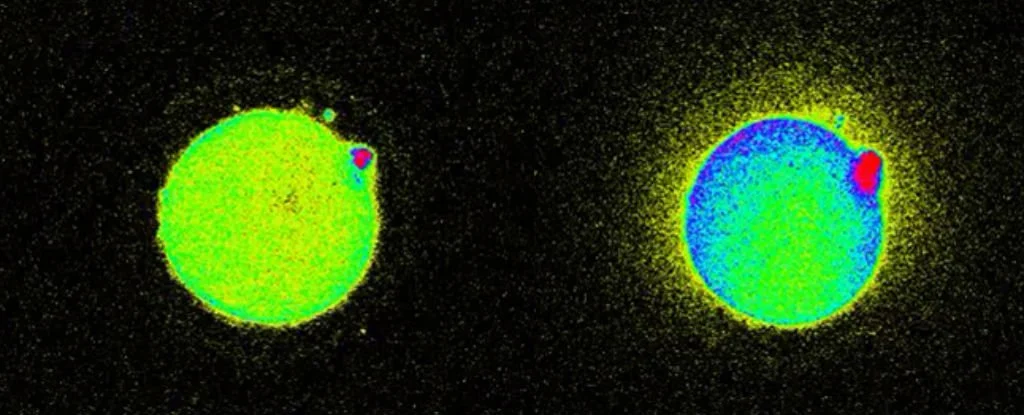
Conception happens when a sperm cell fertilizes an egg cell, forming a one-celled new human life called a zygote. It is an important moment! A new life has begun, and it is marked by a flash of light. From that moment forward, development begins.
Within about 24 hours after conception, the zygote begins dividing. One cell becomes two, then four, then eight over the following days.
Although the zygote is tiny, this growth is not random. Development is already coordinated and continuous as the new human life grows according to its own unique DNA, separate from its mother’s. The new life is as fully genetically human as an adult. Nothing further will be added – only time, nourishment and protection are needed.
The Embryo Continues Growing Before Implantation
As the fertilized egg continues dividing, it travels through the fallopian tube toward the uterus. Around 3-4 days after conception, it reaches a stage known as the morula, a small ball of cells that continues developing into what is called a blastocyst.
This stage involves rapid growth and cellular organization.
Around 5-6 days after conception, the embryo reaches the uterus and begins preparing to implant into the uterine lining. By this point, it has already spent days growing and developing.
Every Human Life Begins Somewhere
One reason understanding what happens after conception matters is because every human being begins this same way.
Every child, teenager, and adult once passed through these earliest stages of development. Though microscopic and unseen, these first days mark the beginning of a continuous human life cycle.
Modern embryology continues to show how organized and purposeful early human development truly is.
These earliest stages may not yet be visible to the outside world, but they still matter. Understanding what happens after conception encourages more thoughtful conversations about pregnancy, fetal development, and the importance of protecting and supporting human life from its very beginning.
Learn more about the various stages of fetal development (conception, first, second, and third trimester) and don’t forget to follow us on social media (Facebook, Instagram, and TikTok).